A reason to follow through
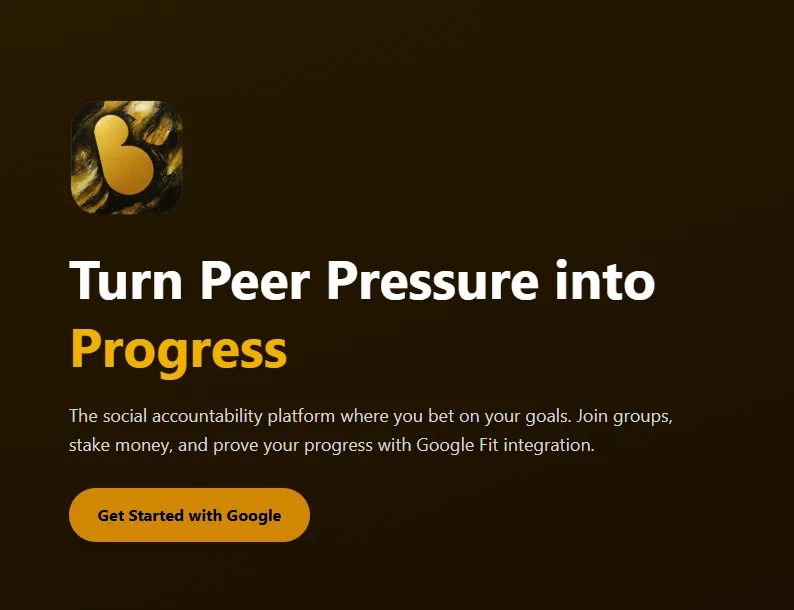
Become was our senior capstone at the University of Alaska Anchorage. The idea was to pair habit tracking with social accountability and optional financial stakes: choose a goal, track progress, and take on a commitment with other people.
I proposed the concept, led the three-person team, and worked across the web app, database, and Solana integration.
What we built
- Goals and groups. A Next.js interface backed by Supabase for creating goals and tracking group progress.
- Health-data sync. Google Fit REST API aggregation for daily steps and calories, stored through the app’s health-data pipeline.
- Onboarding. Privy authentication and wallet integration.
- Experimental escrow. An Anchor integration with initialize, deposit, cancel, and resolve actions, plus a devnet testing page.
Health-data sync and escrow resolution were separate parts of the prototype. We explored how they could work together; the project did not establish automatic activity-verified payouts.
Leading the build
The project crossed several boundaries: health data, authentication, a shared database, and an on-chain program. I worked on the architecture and coordinated the team so those pieces could be developed and reviewed together.
It taught me to be precise about what a prototype demonstrates. Importing activity data and executing an escrow action are useful pieces, but connecting them into a dependable settlement system takes further work.
Source
The Become repository contains the app, health-data routes, and escrow integration. The old live prototype is retired.